



LED lighting is the direct power supply of the network (that is, the voltage we use to connect household appliances), and solar energy is the power source of the battery, which must be charged. So they can’t be completely confused. On the other hand, LEDs work natively with DC power, which is produced by solar panels and available naturally with battery output. In addition, since the LEDs operate directly from DC power, no additional converter or power is required.
This allows solar energy to work more efficiently and allows better lighting at a lower power. Best of all, LEDs provide the best lumens per watt ratio and use optics and distribution patterns for task specific lighting. A big differentiating factor is that, unlike electric lighting, solar lights use LEDs.
Which are better LED or solar lights?
LED lights are more durable, sometimes last more than ten years. Solar-powered security lighting is easier to work with for those who do not have much experience and skill in wiring, since it is wireless. They are also extraordinarily energy efficient because they are powered by the energy produced by the sun, making them virtually a no-cost security lighting option. Solar lights are more efficient when combined with LED technology to illuminate an area of interest.
What are older types of lighting used by solar lights?
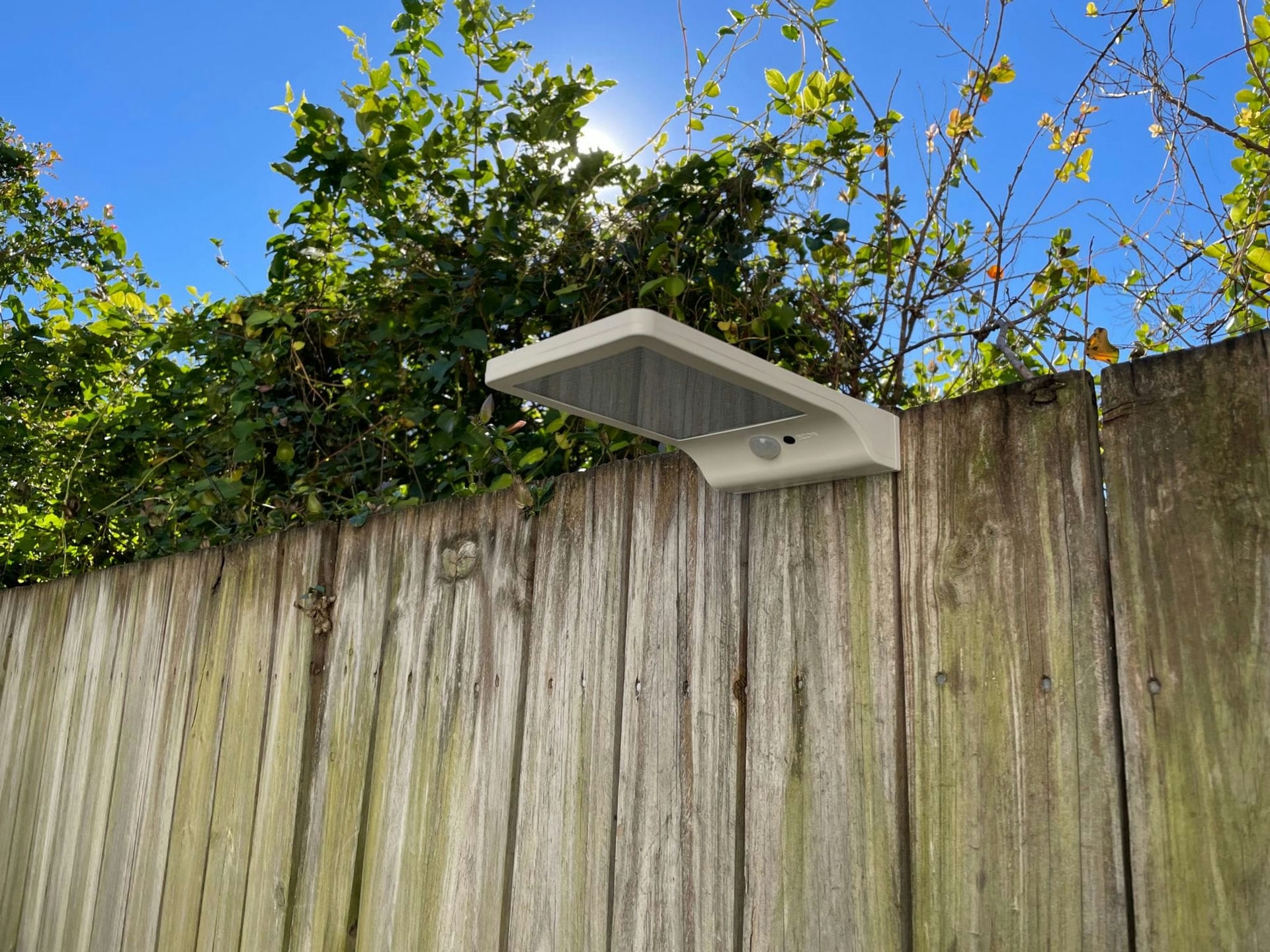
Older types of lighting, such as CFL, LPS, HPS, and metal halide, run on solar energy to a certain extent; however, a converter or ballast is usually required for the light to work. While traditional lighting systems may have won some battles, solar lights win the war over street lighting costs. Solar energy can be used to power the power grid to provide power for many applications or as a non-grid power source for lighting or energy projects. These types of lights are ideal for you if you want to illuminate your home lighting in an efficient and energy-saving way.
What are the advantages of LED solar lights?

Beam scattering angle The amount that light decreases as it travels from the light source depends on how much the light spreads. Traditional street lighting is defined as any electric light used for street lighting, which generally uses metal halide or high-pressure sodium technology for lights. Low maintenance: The maintenance associated with solar lights is much lower compared to the other street lights. In addition, having less or no hazardous materials makes LED lamps more recyclable, allowing materials to be reused for newly manufactured items later, once they are no longer usable for lighting.
Unlike solar-powered lighting, if you’ve had a day of heavy clouds and rain, you know that your electric lights will continue to work at any time. This does not mean that solar panels stop working, but rather that they are much less efficient than when they were originally manufactured. Since light mimics daylight, it can make the brain think it’s not the middle of the night.
Comparison between solar street light and normal street light

You may think that LED solar street lights require higher levels of maintenance and maintenance compared to traditional lights. To tell the truth, solar lights actually require less maintenance than traditional lighting systems. The typical lifespan of a traditional street light is between 5000 and 8000 hours, which is a little less than a year of use, while solar LED lights last 5 to 7 years. The secret lies in LED technology: they are much more energy efficient than traditional lighting methods and they degrade slowly over time instead of burning out in an instant.
Difference between solar LED lights and conventional lighting?
Conventional lighting connect to a standard power grid to get their power, requiring trenching and underground wiring. Solar LED lights have been proven to last a long time, are safe, energy and cost efficient, as well as environmentally friendly clean energy, by using the sun as a source of energy. The downside on traditional lighting is that unlike easier to install solar LED lights, you’ll have to call a professional to help you with the wiring.


